


Soft Power and Public Health: Why the United States Should Reconsider its Exit from the World Health Organization
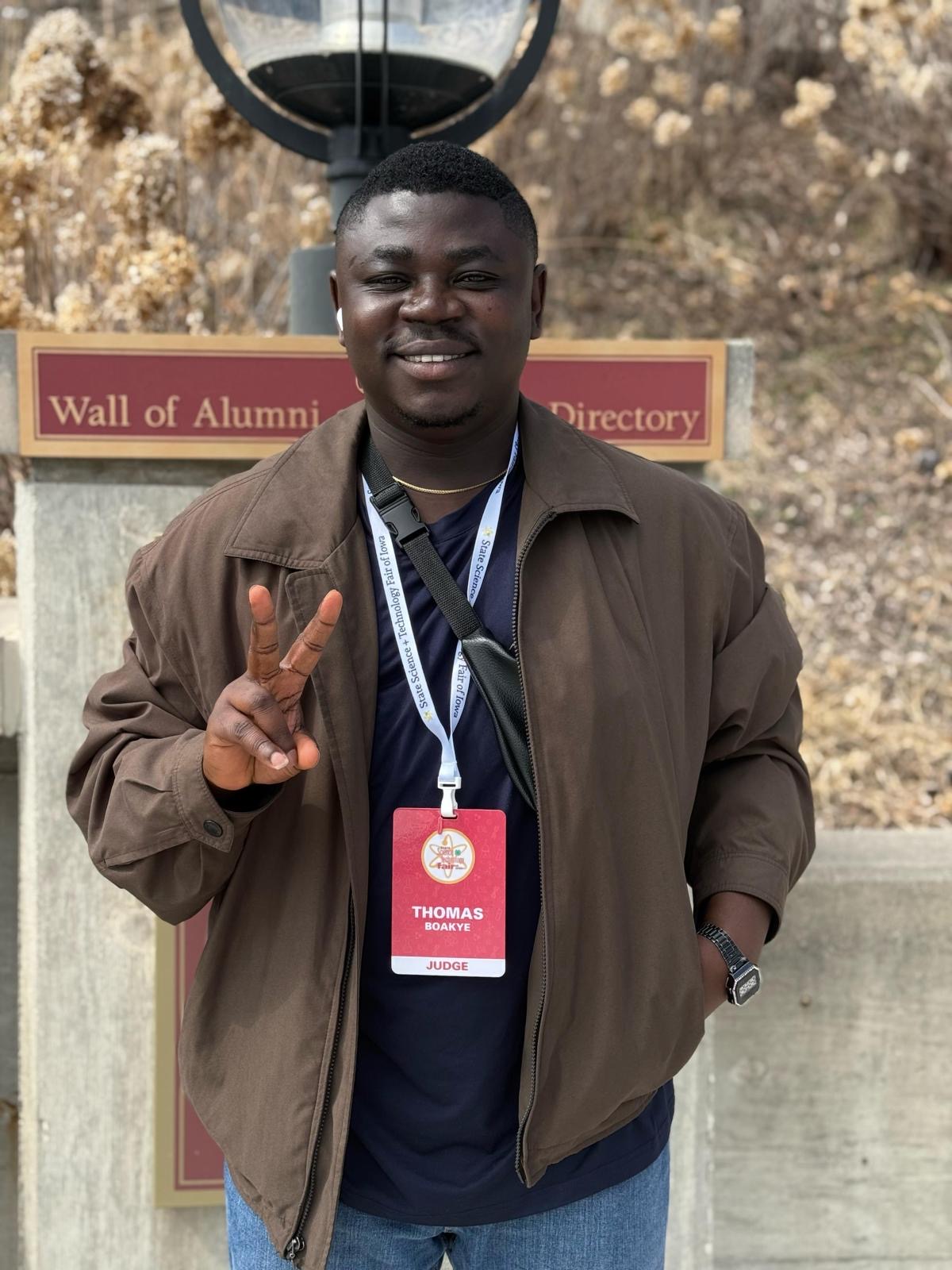
Soft Power and Public Health: Why the United States Should Reconsider Its Exit from the WHO Thomas Boakye, 2025-26 Iowa UNA College Ambassador from Iowa State University
The United States was one of the founding nations of the UN after the end of World War II, helping to create an international system of cooperation, including specialized agencies that would work together to address important global issues. One of the specialized agencies created through this process was the World Health Organization (WHO), established in 1948, to coordinate international public health activities.
The United States has historically been a leader in the WHO, contributing significantly as a funder and an important partner in developing policies that guide the WHO. Hitherto, the United States has been the largest financial contributor to the WHO, contributing over $163 million and $816 million annually over the last 10 years. In addition, U.S. scientists and public health agencies have collaborated with the WHO on global disease elimination projects, including eradicating polio, and through global influenza surveillance systems to identify new strains of viruses.
Despite the longstanding relations between the United States and the UN agency, an executive order was issued on January 20, 2025, instructing the U.S. to withdraw from the WHO. That occurred formally on January 22, 2026. The primary reasons given were dissatisfaction with the WHO’s performance during COVID-19 and uncertainty about U.S. funding obligations to the organization.
WHO receives most of its funds through both mandatory (assessed) and voluntary (donated) contributions from member states (the U.S. used to be a key donor). Historically, that has meant 81% of the WHO’s funding comes from voluntary sources, with only 19% coming from assessed sources. Therefore, the WHO’s reliance on large, unconventional donations, such as those from the USA, will likely create a gap in its financial structure until an alternative funding source can be established.
With the United States withdrawing from the World Health Organization, U.S. funding will no longer be available to support global disease surveillance efforts that help countries respond to disease outbreaks. One immediate example of this is that there will not be a U.S. contribution to the Global Influenza Surveillance and Response System (GISRS), a key platform used by the WHO to track flu viruses and inform vaccine formulation each year. The Infectious Disease Society of America has noted that withdrawal from the WHO could also limit the U.S. ability to obtain shared flu virus surveillance information that the U.S. relies upon to create vaccines.
This development may signal a decline in the United States’ global soft power influence. As Joseph S. Nye Jr. argues in Soft Power: The Means to Success in World Politics, a nation’s ability to achieve its objectives increasingly depends not only on coercion or payment but also on attraction and legitimacy within international institutions. Participation and voting in international organizations have traditionally been among the United States’ primary tools for exercising “soft power,” or the ability to shape conditions, develop partnerships, and gain legitimacy through non-military coercion. Historically, and on numerous occasions over many decades, when the United States has been engaged with the WHO, it has established international health guidelines, mobilized donors, demonstrated collective humanitarian support, and set the international agenda through leadership.
However, a U.S. withdrawal from the WHO, at a time when the likelihood of pandemics or other global health emergencies is increasingly intertwined with the economic security of all nations and the geopolitical competition among them, will significantly undermine the U.S.’s global health governance presence. Experts have already identified that a U.S. withdrawal may impede global disease detection and prevention efforts and, additionally, may limit U.S. credibility with allied nations that rely on a continued U.S. commitment to providing predictable multilateral health engagement.
Some have commented that the reliance on U.S. hard power does not adequately account for the international dimensions of global health security. Support for multilateral organizations like the WHO could have a much greater overall value to the world. In addition, by supporting preventative measures designed to detect and contain outbreaks of disease, the United States will be better positioned to respond effectively to those potential outbreaks that could eventually impact its communities and economy than if it were to operate under the assumption that all outbreaks would be handled solely by the U.S.’s own capabilities.
While the U.S. might have valid concerns about withdrawing from the WHO, there are ways to raise concerns about transparency and governance within the organization. Reform efforts can occur through internal organizational channels, supported by collaborative, constructive oversight to improve the organization’s accountability. Strategies for reform include improving the clarity of budget allocations, increasing oversight of program outcomes, and increasing bipartisan involvement in the U.S. regarding the WHO.
The WHO and the rest of the UN system should likewise make their memberships more attractive and responsive to current member needs through greater clarity in outcome reporting, introduce reforms to their governance processes to allow for the inclusion of member state voices, and develop deeper partnerships with civil society and the scientific community in order to maintain the technical integrity of the organization.
Public health outcomes are interrelated with foreign policy issues. Thus, strengthening global health cooperation within organizations like the WHO can help build collective defenses against disease, enhance diplomatic influence, and build goodwill for the U.S. The rise of international health threats that cross borders quickly and the increasing reliance on multilateral relationships to achieve economic and strategic stability are redefining how the U.S. must use its power in the world beyond its military.


Comments